
HCS 411GITS software runs quietly behind the scenes in many control and integration setups. Most people only think about it when something breaks or slows down. That’s a shame, because understanding how it works makes everything smoother.
This guide breaks down how the software is built, how to squeeze more performance out of it, what the newest update delivers, and how to decode those cryptic error codes. No fluff, just practical answers you can actually use.
How Was the HCS 411GITS Software Built?
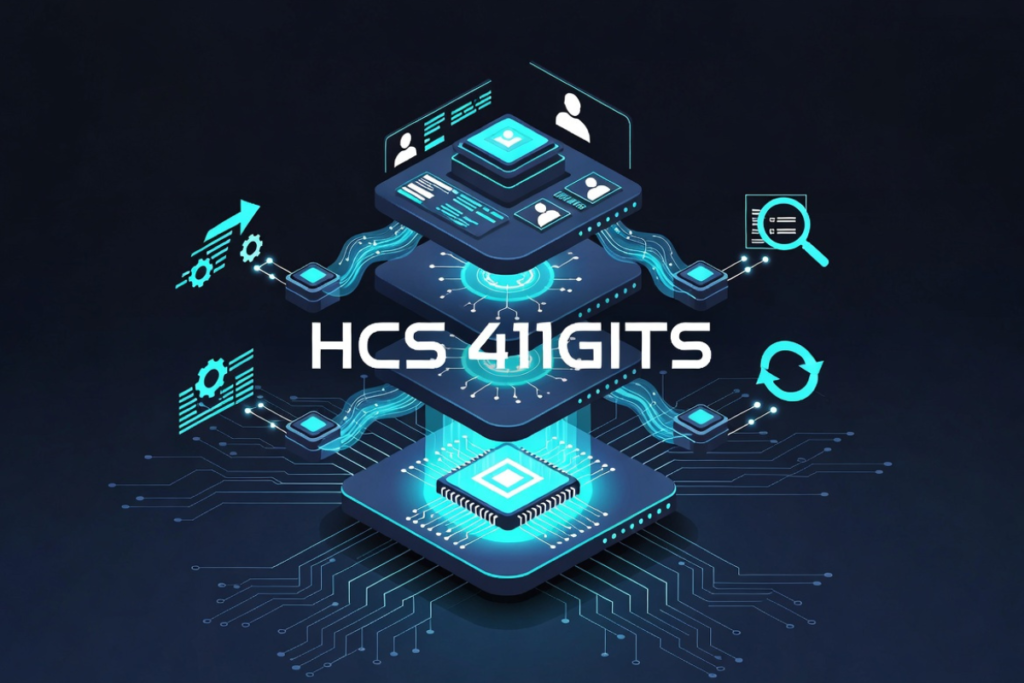
HCS 411GITS software is built on a modular, layered architecture. This means separate components handle separate jobs, so one part can change without breaking the rest. It’s a design philosophy you’ll find across most modern control systems.
Think of it like a well-organized building. The foundation handles core processing, the middle layers manage data flow, and the top layer talks to users and connected devices. Each floor has a purpose.
The layered approach isn’t unique to HCS 411GITS. The OSI model, a global networking standard defined by the ISO, uses seven layers for the same reason: isolation and clarity. Separating concerns makes systems easier to test, debug, and scale.
Inside HCS 411GITS, the architecture typically includes:
- A core processing layer that handles logic and decision-making
- A data management layer that stores, retrieves, and validates information
- A communication layer that connects to external systems and devices
- An interface layer that presents data to operators
This separation pays off during integration. When you connect HCS 411GITS to existing equipment, you usually only touch the communication layer. The rest stays untouched, which lowers the risk of disruption in large facilities.
Open standards matter here too. Systems that follow shared protocols integrate faster and age more gracefully. According to research summarized by the U.S. Department of Energy, interoperable building systems reduce integration costs and avoid vendor lock-in over a building’s lifecycle.
How Can You Improve Software HCS 411GITS Performance?
To improve software HCS 411GITS, start by finding the bottleneck before changing anything. Measure first, tune second. Guessing wastes time and sometimes makes things worse.
Most performance problems trace back to one of three areas: CPU, memory, or input/output. The trick is figuring out which one is actually holding you back.
A bottleneck is the slowest link in your chain. Even if everything else runs perfectly, your whole system moves at the speed of that one weak point. Identifying it is half the battle.
Where do performance bottlenecks usually hide?
Performance bottlenecks usually hide in resource allocation, inefficient queries, or overloaded processes. You find them with monitoring, not assumptions.
Here’s a practical order of attack:
- Profile the system under real load to see where time and resources go
- Check memory usage for leaks or constant high consumption
- Review I/O operations, since disk and network delays often dominate
- Audit background processes that compete for the same resources
Resource allocation deserves special attention. When too many processes fight over limited memory or CPU cycles, response times climb. Balancing those allocations often delivers the biggest gains for the least effort.
There’s solid data behind this. Google’s research on web performance found that as page load time goes from one second to three seconds, the probability of a user bouncing rises by 32%. Speed isn’t a luxury. It directly shapes how people experience and trust a system.
What practical steps actually boost performance?
The practical steps that boost performance are caching, query optimization, and load distribution. These three handle most real-world slowdowns.
Caching stores frequently used data close at hand, so the system stops fetching the same thing over and over. It’s one of the cheapest wins available.
Query optimization tightens how the software requests data. A poorly written query can scan thousands of records when a well-indexed one touches a handful. The difference shows up immediately under load.
Load distribution spreads work across resources instead of dumping it all in one place. In larger facilities, this keeps response times steady even during peak demand. Steady performance means fewer surprises and happier occupants.
What Does the Updated Software HCS 411GITS Deliver?
The updated software HCS 411GITS delivers faster response times, fewer disruptions, and smoother overall functionality. Updates typically target stability and speed first, since those affect everyone.
Software updates aren’t just about new buttons. They patch security holes, fix bugs, and tune performance based on real usage data gathered since the last release.
This pattern is industry-wide. Software HCS 411GITS updated releases follow the same logic as any mature platform: address what users actually struggle with, then refine the rest.
Why do updates matter so much for reliability?
Updates matter because outdated software is a top cause of security breaches and instability. Staying current is one of the simplest ways to protect a system.
The numbers make this clear. Verizon’s Data Breach Investigations Report has repeatedly shown that a large share of breaches exploit known vulnerabilities, ones that patches had already fixed. Skipping updates leaves doors open that someone already built keys for.
Beyond security, updates improve uptime. Fewer disruptions mean fewer late-night calls and fewer frustrated users. For facility teams measured on system reliability, that’s a direct win.
What should you check before applying an update?
Before applying an update, back up your configuration and test in a staging environment. Skipping these steps is how a routine update turns into a long night.
A short pre-update checklist saves headaches:
- Back up current settings and data
- Read the release notes to understand what changed
- Test in staging before touching production
- Schedule the update during low-activity windows
Release notes are underrated. They tell you exactly what to expect, including any changes that might affect your integrations. Reading them takes five minutes and prevents hours of confusion.
What Do HCS 411GITS Error Codes Mean?
HCS 411GITS error codes signal system, login, or connection problems. Each code points to a specific category, which narrows your search for the cause. They’re frustrating, but they’re also helpful clues.
Error codes exist so the system can tell you what went wrong without making you guess. Treat them as a starting point, not a dead end.
In the HCS (Host Control System) environment paired with GITS software, error codes commonly fall into a few buckets: authentication issues, communication failures, and configuration conflicts.
How do you read and group error codes?
You read error codes by grouping them into categories first, then drilling into the specific number. Categories tell you where to look; the number tells you what to fix.
Here’s a general framework for common HCS 411GITS error codes:
| Error type | Likely cause | First step |
|---|---|---|
| Login or authentication | Wrong credentials, expired session | Re-enter details, reset session |
| Connection or communication | Network drop, device offline | Check network and device status |
| Configuration | Mismatched settings | Compare against working config |
| System or processing | Resource overload, bug | Restart service, check logs |
This kind of triage works across most control systems. When you know the category, you stop chasing random fixes and start solving the actual problem.
How do you resolve common HCS 411GITS errors?
You resolve most HCS 411GITS errors by checking logs, verifying connections, and confirming credentials. Start simple before assuming the worst.
A reliable troubleshooting sequence looks like this:
- Read the log entry tied to the error for context
- Confirm network and device connectivity
- Verify login credentials and session status
- Restart the affected service if everything else checks out
- Escalate to documentation or support if the issue persists
Logs are your best friend here. They record what happened right before the error, which usually reveals the cause faster than any other method.
One word of caution about online “secret codes.” Some forums mention dialer-style sequences for refreshing firmware or opening test menus. These are device-specific and often unrelated to HCS 411GITS itself. Always confirm against official documentation before running anything you found in a random thread. Mystery codes from the internet have ended more systems than they’ve saved.
How Does Good Architecture Tie All of This Together?
Good architecture connects everything: build quality, performance, updates, and error handling. A well-built system is easier to improve, safer to update, and quicker to fix. It all comes from the same foundation.
When HCS 411GITS is built with clean, modular layers, improving performance becomes targeted instead of chaotic. You know exactly which layer to tune.
That same structure makes updates safer, since changes stay contained. And when errors appear, the layered design helps you locate the problem fast. Clarity at the foundation pays dividends everywhere else.
For facility teams and integrators, this is the practical takeaway. Invest a little time understanding how the software works, and you’ll spend far less time fighting it later.
Frequently Asked Questions
What is HCS 411GITS software used for?
HCS 411GITS software supports control and integration tasks, often within a Host Control System paired with GITS components. It manages data flow, device communication, and operator interfaces. Its modular design makes it suitable for environments that connect multiple systems.
How often should HCS 411GITS software be updated?
Apply updates as soon as they’re tested and verified in a staging environment, especially security patches. Many vulnerabilities exploited in breaches target flaws that patches had already fixed. Regular updates improve both security and uptime, so don’t let them pile up.
What causes most HCS 411GITS error codes?
Most error codes come from authentication problems, connection failures, or configuration mismatches. Grouping the code into a category first helps you target the cause quickly. Checking logs and verifying connections resolves the majority of common issues.
How do I improve software HCS 411GITS performance without new hardware?
Focus on caching, query optimization, and balanced resource allocation. These software-side changes often deliver the biggest gains without spending on new equipment. Always profile the system first so you tune the actual bottleneck instead of guessing.
Is it safe to use online “secret codes” for HCS 411GITS?
Be cautious. Many codes shared in forums are device-specific and may not apply to HCS 411GITS at all. Running unverified codes can cause damage. Always confirm against official documentation or vendor support before trying anything you found online.
Conclusion:
HCS 411GITS comes down to one idea clarity at the foundation makes everything else easier. Its modular, layered build keeps components separate, so you can tune performance by targeting the real bottleneck instead of guessing. Staying current with updates protects you from known vulnerabilities and keeps uptime high, while grouping error codes into clear categories turns frustrating problems into quick fixes. Understand how the software works, lean on open standards and good documentation, and you’ll spend far less time fighting it—and far more time getting reliable, efficient results.
Read More: Fangchanxiu. com: Your Guide to Smart Property Renovation in China